
Creation Care: Why Household Plastics are not Recyclable
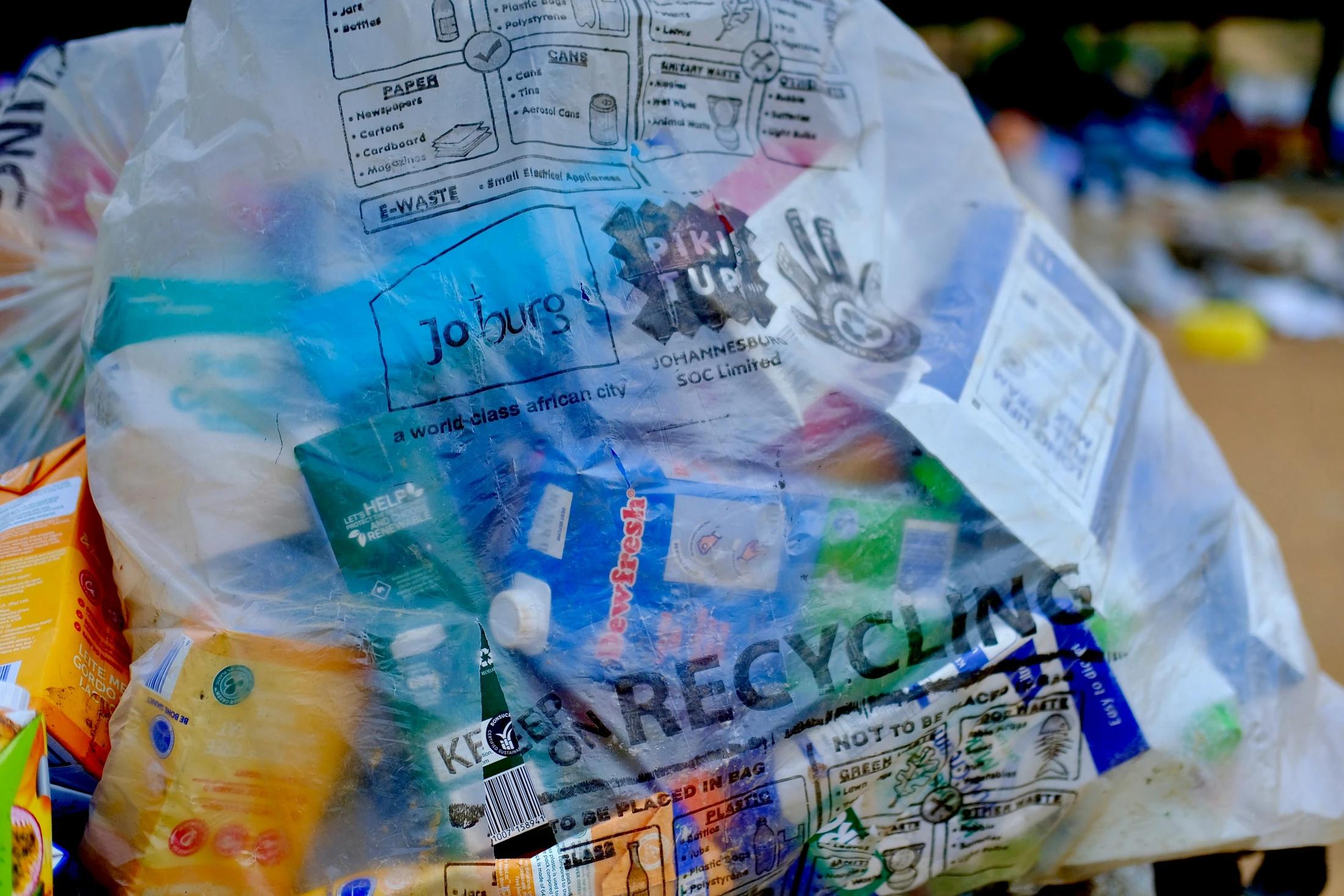
Lessons from "Plastic Recycling Doesn't Work and Never Will"
The Trex plastic recycling effort at St. Stephen is one of the rare true plastic recycling efforts in spite of the plastics industry saying all plastics are recyclable. Some plastics are recyclable at the Innovation Barn if they are clean and taken to the barn (clamshells, #5 with restrictions). Charlotte Mecklenburg will recycle plastic water bottles and jugs with spouts ONLY (PET and HDPE).
The number one question I get in any conversation or meeting about Creation Care is: why are only certain plastics recyclable? Well, in effect, most plastics are not recyclable like paper or aluminum or glass. Despite widespread efforts to promote plastic recycling, experts and investigations reveal that the system is fundamentally flawed and ineffective — especially for household plastics. The Atlantic’s provocative article, "Plastic Recycling Doesn't Work and Never Will," sheds light on why many plastics labeled as recyclable are rarely, if ever, reprocessed into new products.
The Myth of Recycling Convenience
For decades, consumers have been encouraged to “rinse and toss” their plastic waste into curbside bins. The hope is that this plastic can be collected, processed, and turned into new items. However, the reality is far more complicated. The recycling process is riddled with issues, many of which stem from the very design and chemical makeup of household plastics.
Economic and Market Failures
The core problem lies in economics. Recycling relies on markets for recycled materials — something that has proven unstable for plastics. Virgin plastics, derived from oil and natural gas, are often cheaper to produce than recycling used plastics. As a result, manufacturers prefer to buy new plastic rather than recycled material. According to The Atlantic, this market failure means that most plastic waste is simply not valuable enough to merit recycling, leading to massive amounts being exported to countries with weak waste management systems or ending up in landfills and our oceans.
The Complexity of Plastic Types
Household plastics are made up of various resin types, classified by codes 1 through 7. While some plastics like PET (used in bottles) and HDPE (milk jugs) are more recyclable, many common household plastics fall into categories that are hard to process. Multilayered packaging — such as snack wrappers, juice cartons, and certain containers — combine different plastics and materials that cannot be easily separated. This makes recycling practically impossible at existing recycling facilities.
Contamination and the Recycling Process
Another major obstacle is contamination. Food residues, oils, or labels on plastics can ruin entire batches of recyclables which will be removed and sent to the landfill. Removing these contaminants is labor-intensive and costly, which diminishes the economic incentive for recycling companies. As The Atlantic highlights, contaminated plastics are often sorted out and discarded, rendering much of household plastic waste effectively unrecyclable and costing us, the taxpayers, in wasted wages and operational costs in the collection and sorting only to be ultimately tossed in the landfill.
The Recycling Infrastructure Shortfall
Even if plastics are technically recyclable, the infrastructure to process them is limited. Many local recycling programs, including the Charlotte/Mecklenburg County program, focus mainly on PET and HDPE bottles, leaving other plastics uncollected or unprocessed. Few facilities have the capability or demand to handle the complex mix of plastics found in household waste.
Time and Short-Lived Products
Most household plastics are designed for single use — food wrappers, straws, plastic cutlery — and are discarded quickly. The quick turnover means that the recycling system is overwhelmed and often unable to process these items effectively. This short lifecycle further complicates efforts to establish an efficient, sustainable recycling process.
Chemical Additives and Environmental Concerns
Many plastics contain additives, dyes, or stabilizers that can be hazardous or degrade the quality of recycled material. These chemicals can contaminate recycling streams or pose health risks, further discouraging recycling particularly for food plastics.
A System Built to Fail?
According to The Atlantic, the entire premise of "recycling" as a solution to plastic waste is fundamentally flawed. It’s a system built on consumer convenience, market illusions, and cost-cutting, rather than sustainability. A significant portion of household plastics are not recyclable by design, and the current infrastructure cannot handle the volume or complexity of plastic waste produced globally.
The Bottom Line
Many household plastics are not recyclable — not because of lack of effort, but because the system is inherently very diverse and structurally inept. To truly address plastic pollution, society must go beyond recycling. This means reducing plastic production, designing truly recyclable products, and adopting alternative, more sustainable materials.
In Summary
Understanding these challenges is crucial. While recycling can be part of the solution, the urgent truth revealed by The Atlantic underscores the need to rethink the entire relationship with plastic — reducing usage and improving product design instead of relying on a broken recycling system.
The bottom line in the Creation Care Team message to the congregation – just because there is a recycling symbol on a piece of plastic does not mean the item is recyclable. Learn from your trash people what really is recyclable and throw all other items in the trash bin.